Oct 16, 2025
8 Ways Exercise Boosts Student Wellbeing in High-Intensity Academic Programs
Introduction
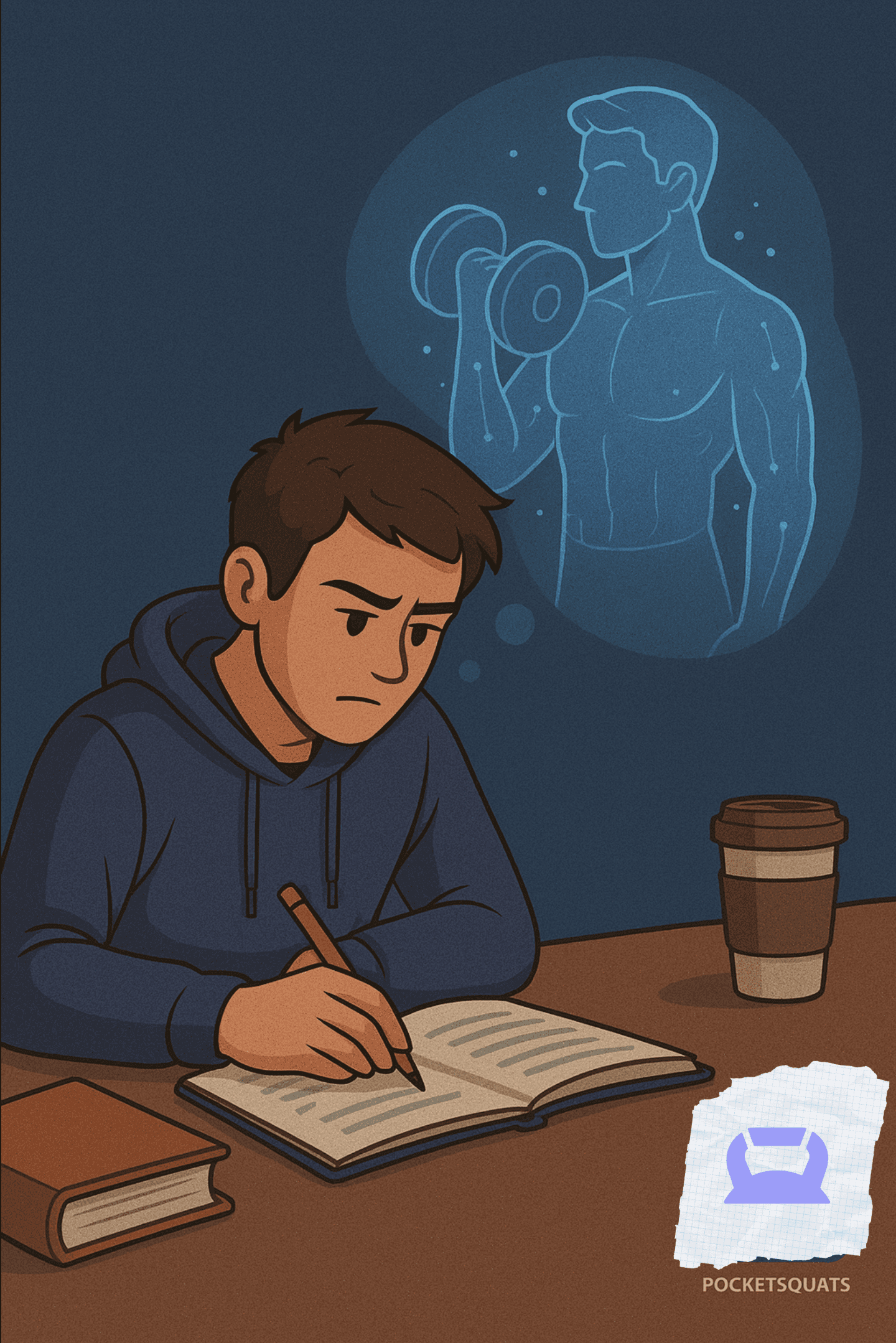
Engineering students are among the most dedicated, hardworking individuals - but also among the most sedentary. Long hours of coding, labs, and project deadlines often mean late nights, poor posture, and constant fatigue. Over time, these habits can erode both physical and mental health.
Exercise, however, offers a powerful solution. From improved focus to reduced stress, the benefits of staying active go far beyond fitness. Regular workouts can become a cornerstone of academic success and emotional balance.
Here are eight science-backed ways that exercise enhances student wellbeing - especially for those in demanding programs.
1. Clarity of Mind – How Workouts Improve Focus
Exercise boosts blood flow and oxygen to the brain, enhancing memory, focus, and mental agility. A quick gym session or run can “reset” the mind, helping you absorb information more effectively.
According to Harvard Health Publishing, regular exercise stimulates growth factors that promote the creation of new brain cells, directly supporting cognitive performance. The CDC also confirms that physical activity helps people “think, learn, and problem-solve better.”
For engineering students, sharper focus and mental clarity can make marathon study sessions far more productive.
2. How Physical Activity Improves Student Wellbeing
Staying active releases endorphins, serotonin, and dopamine - the “feel-good” hormones that regulate mood and motivation. According to Healthline, exercise works as a natural antidepressant, helping reduce anxiety and promote emotional stability.
When stress builds up from coursework or exams, even short bursts of movement can dramatically improve mood. Over time, this emotional balance enhances overall student wellbeing and resilience.
3. Fighting Stress and Anxiety Through Movement
University life can be overwhelming - exams, deadlines, social pressures, and performance anxiety are constant companions. Exercise helps the body handle this stress more efficiently.
The Mayo Clinic notes that working out lowers levels of stress hormones like cortisol and adrenaline while releasing endorphins that improve mood. It also helps shift focus away from intrusive thoughts, breaking cycles of anxiety.
Even a 10-minute walk or stretch between study blocks can calm the nervous system and improve concentration.
4. Preventing Depression and Academic Burnout
Engineering students face long-term stress that often leads to burnout. Regular exercise can be a preventive shield.
The CDC highlights that physical activity reduces symptoms of depression while improving sleep and cognitive function. Research from Frontiers in Psychology also shows that students who exercise regularly report significantly less burnout and emotional exhaustion.
Exercise doesn’t just build muscle - it builds mental resilience. Each session acts as a reset button, helping students cope with overwhelming workloads.
5. Breaking the Sedentary Cycle – Physical Health for Engineers
Engineering and computer science students often sit for 10–12 hours a day, leading to muscle stiffness, weight gain, and reduced cardiovascular health. Regular movement can reverse these effects.
Physical activity strengthens the heart, bones, and muscles, countering the long-term risks of a sedentary lifestyle. According to Harvard Health, even standing and walking breaks throughout the day can improve posture, reduce fatigue, and lower chronic disease risk.
Building a workout habit in school doesn’t just help now - it lays the foundation for lifelong health.
6. Boosting Energy and Productivity
It sounds paradoxical, but expending energy through exercise actually increases your total energy levels. Workouts improve cardiovascular efficiency and stimulate the creation of new mitochondria - the body’s “energy factories.”
A Harvard Medical School review explains that people who exercise regularly report up to 20% more daytime energy and significantly less fatigue.
For students grinding through long study hours, this means higher productivity and sustained alertness throughout the day.
7. Better Sleep and Recovery
Quality sleep is critical for memory retention, emotional regulation, and physical recovery - yet it’s often the first casualty of student life.
Exercise promotes deeper, more restorative sleep. The Sleep Foundation reports that moderate exercise helps people fall asleep faster and spend more time in deep sleep phases. The CDC also confirms that regular physical activity reduces insomnia and daytime drowsiness.
For students facing relentless workloads, consistent exercise can restore balance - improving sleep quality and next-day focus.
8. Confidence, Social Connection, and Motivation
Finally, exercise builds more than strength - it builds self-esteem. Every milestone, from running farther to lifting heavier, reinforces confidence and self-belief.
The Mayo Clinic notes that meeting fitness goals improves self-image and helps combat performance anxiety.
Additionally, group workouts, sports, or gym communities provide valuable social connections - something many students lose when buried in coursework. These small interactions offer emotional support and reduce feelings of isolation, helping students thrive both academically and personally.
How Pocket Squats Helps Students Stay Fit and Focused
For students in demanding programs, the hardest part isn’t knowing why to work out - it’s finding the time and motivation to do it. That’s where Pocket Squats comes in.
Pocket Squats acts as an AI-powered personal fitness coach, adapting to your academic schedule, emotional state, and energy levels. It provides:
Smart, short workouts for tight schedules
Motivation based on mood and stress level
Gamified progress tracking to stay consistent
Personalized feedback for long-term results
Whether you’re an engineering student coding late into the night or a researcher juggling deadlines, Pocket Squats helps you move more, stress less, and perform better - both in the gym and in your studies.
Conclusion
Exercise is more than a physical activity - it’s a strategy for mental clarity, stress relief, and emotional balance. For engineering students and others in high-intensity programs, workouts are the key to staying sharp, focused, and resilient.
By integrating fitness into daily life - and using tools like Pocket Squats to make it effortless - students can transform their health, mindset, and academic performance.
Because when your body moves, your mind follows.
Strong body. Clear mind. Better results.